The Synchronous Bottleneck
A traditional REST API operates on strict synchronous request-response loops. A user executes a payment; the thread blocks while the logic updates the database, calls a third-party gateway, dispatches an email, and recalculates analytics. When user volume spikes, these blocking threads exhaust connection pools, leading to cascading system failure.
Embracing the Event Bus Paradigm
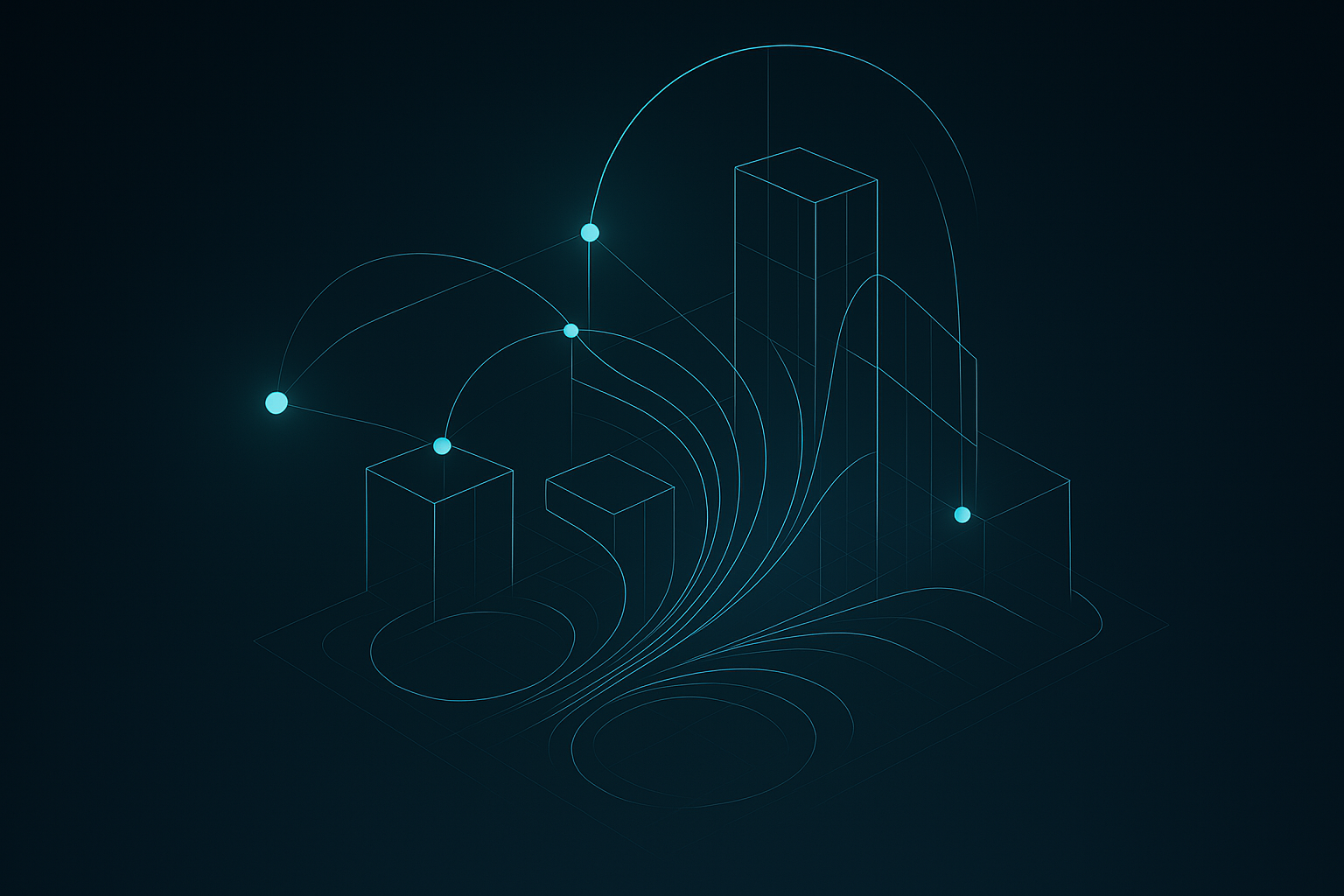
The paradigm shift is moving from "Request-Reply" to "Publish-Subscribe" (Pub/Sub) architectures. Using an Event Bus (like Apache Kafka), the payment gateway simply publishes an "OrderCompleted" event to a log and immediately returns a 202 Accepted response to the client.
Independent, isolated microservices—listening to that specific topic—wake up and execute their logic in parallel: the Email Service sends the receipt, the Inventory Service deductions stock, and the Analytics Service updates dashboards.
If the Email cluster fails, it doesn't crash the checkout flow. It simply catches up reading the event log once it reboots. This decoupling transforms fragile, tightly-bound code into hyper-resilient, horizontally scalable enterprise infrastructure.